
RESEARCHED. UPCYCLED. REIMAGINED.
Materials built from what others throw away
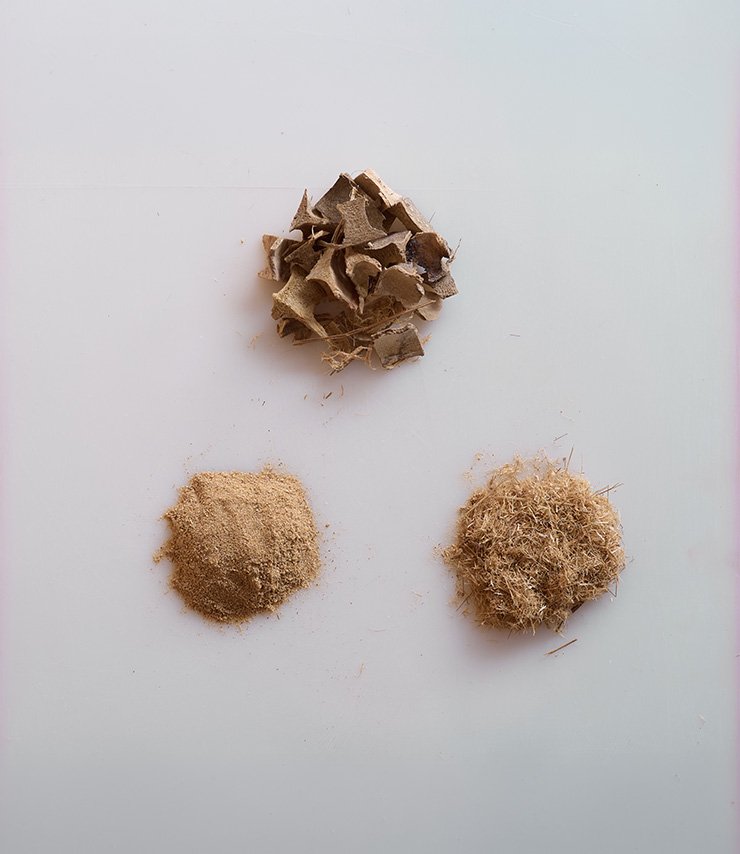
Material Development is where every Altarize product begins — turning upcycled glass, agricultural fibers, and locally abundant minerals into finishing systems that outperform conventional cement and sand-based materials, without the environmental cost.
New materials require a clear system for sourcing, testing, and the tropical world
We replace mined sand with upcycled glass and plant fibers, and use cement only when absolutely necessary — favoring lime, clay, and volcanic pozzolans instead. Initial performance data shows 50–90% reductions in both weight and carbon emissions compared to conventional systems, with enhanced durability and weather resistance.
SHAPING MATERIALS WITH PURPOSE
Inspire tropical living through material vision
Every finish we offer today started as a question in our material lab: can this be made without cement, without toxins, without mined sand — and still perform better? Material Development is how we keep answering that question.
WHY THIS DEVELOPMENT APPROACH
Built by replacing extraction with upcycling
Two of construction’s most destructive habits are heavy cement use and large-scale sand mining — both pulled from ecosystems that can’t easily recover. We take a different path, developing materials from what’s already available or discarded.
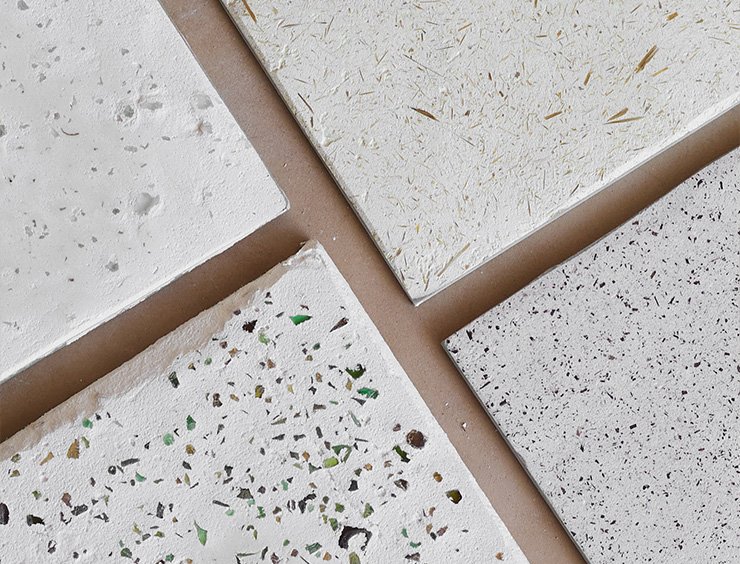
By replacing sand with recycled glass and agricultural fibers, we reduce environmental harm while actually improving consistency and durability compared to traditional aggregates.
Our use of lime, clay, and volcanic pozzolans dramatically lowers embodied energy compared to cement-based systems — while our materials stay breathable and flexible, expanding and contracting with their environment instead of cracking.
Common Questions
Frequently asked questions
Find answers to the most common questions about our flooring systems, materials, and performance in tropical conditions.
What materials replace cement and sand in Altarize's systems?
We use lime, clay, and volcanic pozzolans in place of cement, and upcycled glass and agricultural fibers in place of mined sand — reducing environmental impact while matching or exceeding traditional performance.
How is performance tested before a material goes into use?
We evaluate weight, carbon emissions, durability, and weather resistance against conventional cement and sand-based systems. Initial data has shown 50–90% reductions in weight and carbon emissions with enhanced durability.
Are these developed materials as durable as conventional ones?
Yes — in many cases, more so. Our breathable, flexible materials allow moisture to pass through and expand or contract naturally, leading to a longer, healthier lifespan compared to rigid, conventional alternatives.
Can new colors or textures be developed for a specific project?
Yes. Material development includes custom texture and color work — our Textures Selection and Colours Selection ranges are a direct result of this ongoing R&D process, and bespoke options can be developed for specific projects.